
Touhou Project is not only about bullet-hell games and captivating music, but also a treasure trove of official manga. These manga delve deeper into the world of Gensokyo, its characters, and its vast mythology. Created by ZUN, the series’ mastermind, these works add layers of story, lore, and context to the games, making them essential for fans who want a comprehensive understanding of the Touhou universe.
What is Touhou Project Manga?
Touhou Project manga are official comic series written or overseen by ZUN, the creator of Touhou. These works serve as a complement to the games, offering readers a chance to explore Gensokyo’s characters, events, and settings in ways that the games may not fully cover. While the games are known for their fast-paced gameplay, the manga provides a more narrative-driven experience.
Each manga series typically explores a different aspect of Gensokyo, whether it’s the life of a specific character, the dynamics of the human village, or the relationships between the powerful entities that inhabit this fantastical world. They are often written in episodic format, which means each chapter may cover a different story or adventure, although some manga follow a continuous storyline.
Who Creates the Touhou Project Manga?
ZUN, the creator of the entire Touhou Project, is directly involved in the production of these manga. While he is often the writer, the illustrations are handled by different manga artists who bring the world of Gensokyo to life with their unique art styles. These partnerships have led to a variety of artistic interpretations of the characters and settings, yet all remain faithful to the lore and spirit of Touhou.
Some of the well-known artists involved in these projects include Aki Eda, Harukawa Moe, and Moe Aoki, each of whom has contributed to the unique visual identity of the Touhou manga.
Key Features of Touhou Manga
Story Expansion: Many manga explore characters or events that are only briefly touched upon in the games, providing deeper insights into their personalities, histories, and motivations.
World-Building: The manga series are often used to flesh out the world of Gensokyo, revealing more about its inner workings, its relationship with the outside world, and the daily lives of its inhabitants.
Episodic and Continuous Stories: Some manga, like Curiosities of Lotus Asia, feature episodic storytelling, while others like Forbidden Scrollery follow a more linear plot.
Notable Touhou Project Manga
| Manga Title | Summary | Duration | Artist |
|---|---|---|---|
| Silent Sinner in Blue | Reimu, Marisa, and the residents of the Scarlet Devil Mansion travel to the moon to settle a grudge. | 2007 – 2009 | Aki Eda |
| Forbidden Scrollery | Follows the life of Kosuzu Motoori, a human girl who runs a bookstore filled with dangerous, magical books. | 2012 – 2017 | Moe Harukawa |
| Curiosities of Lotus Asia | A series of short stories centered on Rinnosuke Morichika, a shopkeeper in Gensokyo who collects curios. | 2004 – Ongoing | Multiple Artists |
| Wild and Horned Hermit | Chronicles the life of Ibaraki Kasen, a hermit with hidden powers, as she interacts with Gensokyo’s inhabitants. | 2010 – 2019 | Aya Azuma |
| Eastern and Little Nature Deity | A manga focused on the mischievous daily lives of three fairies as they explore Gensokyo. | 2005 – 2006 | Makoto Hirasaka |
| Alternative Facts in Eastern Utopia | A collection of satirical news articles written by Aya Shameimaru, a tengu journalist. | 2017 | Multiple Artists |
| Strange and Bright Nature Deity | Continues the adventures of the fairies from Eastern and Little Nature Deity, delving into their schemes and mischief. | 2006 – 2009 | Makoto Hirasaka |
| Foul Detective Satori | Satori Komeiji takes on the role of a detective, solving mysteries within the underground world of Gensokyo. | 2020 – Ongoing | ZUN, Akimaki Aki |
The Role of Manga in the Touhou Universe
While the games primarily focus on fast-paced, action-packed gameplay, the manga offers a slower, narrative-driven exploration of the Touhou universe. Through these manga, readers gain a better understanding of how Gensokyo functions—its politics, its inhabitants, and the relationships between its characters. The manga also serves as a way to expand upon the lore established in the games, giving context to events and characters that may only receive brief mentions during gameplay.
For example, in Silent Sinner in Blue, we explore the Lunarians on the moon and their relationship with Earth, which is only hinted at in certain Touhou games. Meanwhile, Forbidden Scrollery focuses on the dynamics between humans and yokai, a central theme in the games but explored in more depth through the interactions of Kosuzu and her magical books.
Why Should You Read Touhou Project Manga?
Whether you are a die-hard fan of the games or someone new to the series, the Touhou manga offers an enriching experience for all. For long-time fans, the manga expands upon beloved characters and events, while newcomers can find these works an excellent entry point into the rich and complex world of Gensokyo.
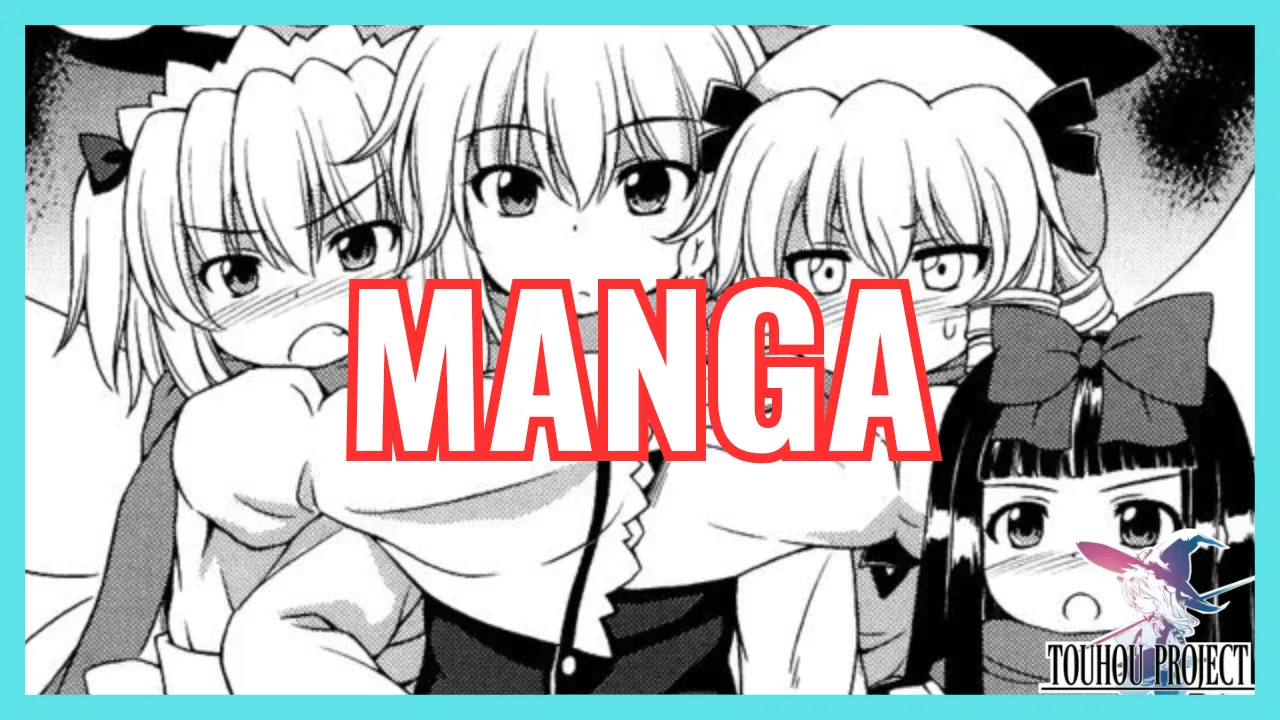
The manga allows readers to explore Gensokyo at their own pace, diving into its mysteries without the pressure of dodging bullets. Through humor, action, and deep character moments, the Touhou Project manga series truly captures the spirit of the universe ZUN has created.
The Touhou Project manga is an essential part of the franchise that deepens the lore, builds the world, and provides fans with new ways to engage with the series’ rich content. From the episodic adventures of Rinnosuke in Curiosities of Lotus Asia to the gripping mystery of Forbidden Scrollery, each manga brings something unique to the table. Whether you’re a casual fan or a hardcore enthusiast, these manga are a must-read for anyone who wants to explore Gensokyo beyond the games.


